Get Free Quote
Contact us for personalized pricing
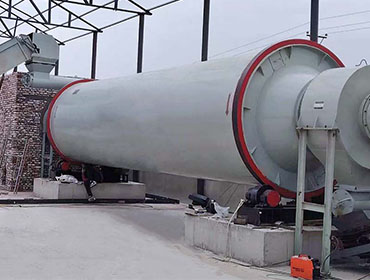
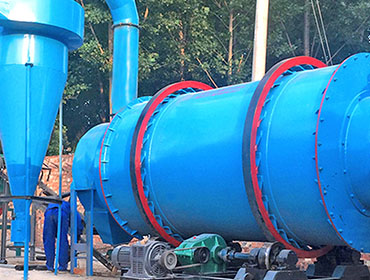
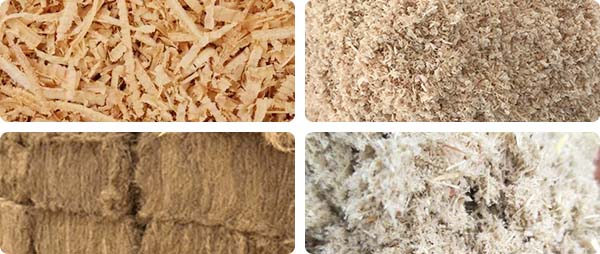
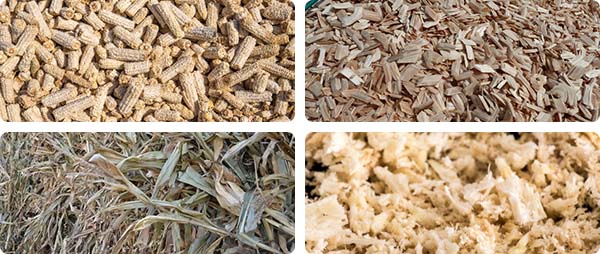
Biomass energy is an important component of global renewable energy. Biomass materials include wood chips, sawdust, wood shavings, straw, rice husks, corn cobs, bagasse, palm fiber, and more. These materials typically have a moisture content as high as 35%-60%. High moisture not only leads to high transportation costs but also severely affects subsequent grinding, pelletizing, and combustion efficiency. Undried biomass cannot be directly used for pellet fuel production or boiler combustion.
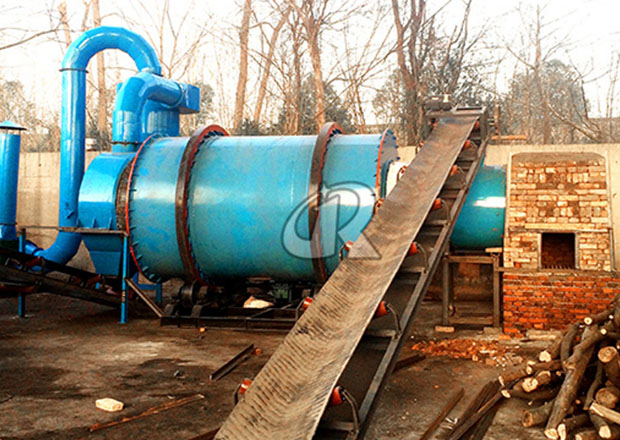
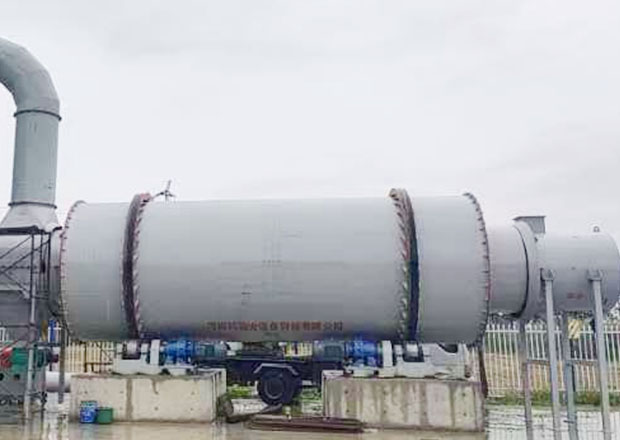
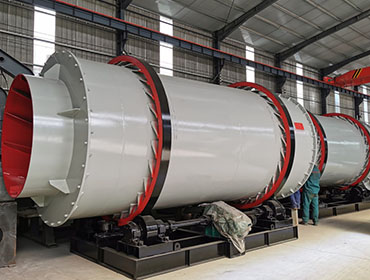
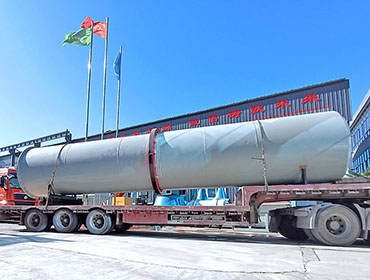
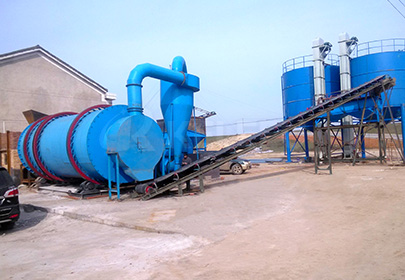
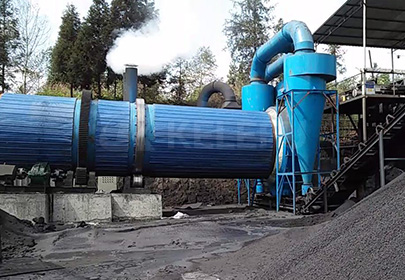
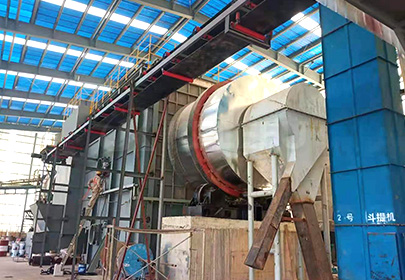
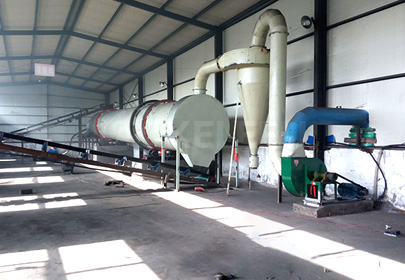
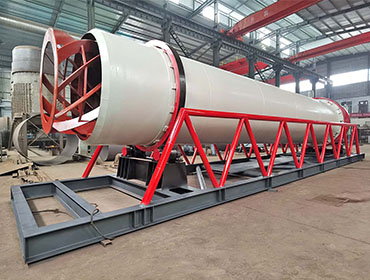
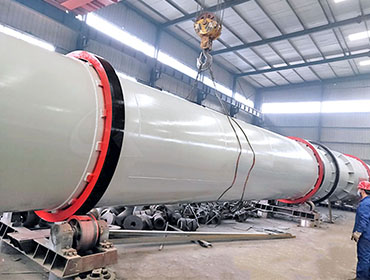
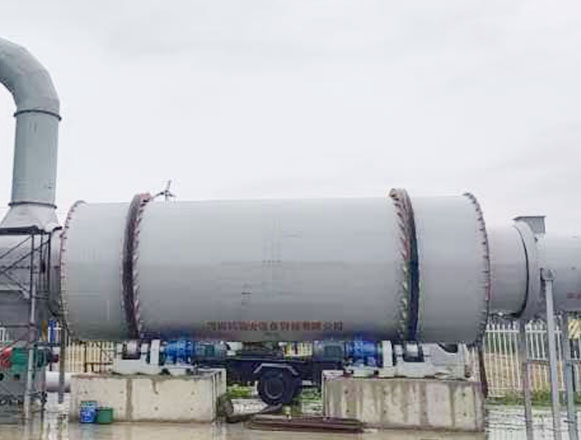
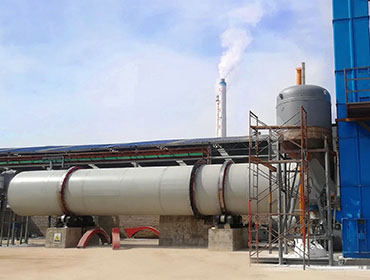
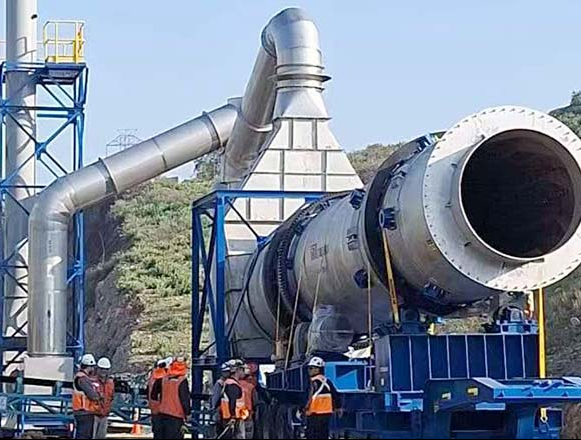
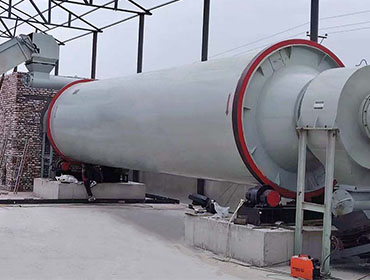
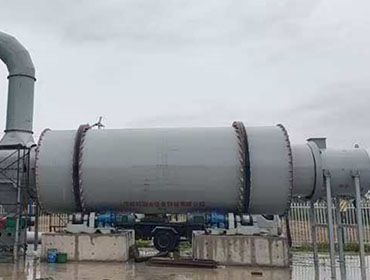
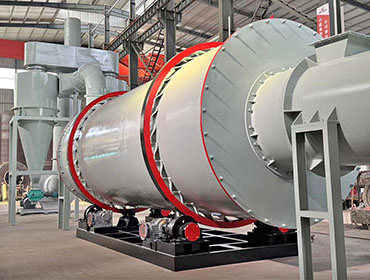
Our Biomass Triple-Pass Rotary Dryer is specifically designed for high-moisture, lightweight, fibrous biomass materials. Utilizing three concentric cylinders nested inside each other, combined with a low-temperature high-air-volume drying process, anti-tangling lifting plate system, and high-efficiency dust collection system, it rapidly reduces biomass moisture from 35%-60% down to 10%-15%, providing high-quality raw material for pellet fuel, biomass power generation, animal bedding, and other applications.
Dried products from the Biomass Dryer can be widely used in the following applications:
| Material Type | Typical Materials | Post-Drying Applications | Value Proposition |
|---|---|---|---|
| Forestry Biomass | Wood chips, sawdust, shavings, bark | Wood pellets, biomass pellets, animal bedding | Moisture reduced to 10%-15%, increased calorific value, improved pelletability |
| Agricultural Biomass | Corn straw, wheat straw, rice straw | Straw pellets, biomass power generation, animal feed | Remove moisture, improve combustion efficiency, prevent mold |
| Agricultural Processing Residues | Rice husks, peanut shells, cottonseed hulls, corn cobs | Biomass pellets, activated carbon raw material, mushroom substrate | Dewater for storage and further processing |
| Energy Crops | Miscanthus, switchgrass, elephant grass | Biomass power generation, pellet fuel | Rapid drying ensures stable fuel supply for power plants |
| Industrial Byproducts | Bagasse, palm fiber, coffee husks | Biomass fuel, organic fertilizer base | Turn waste into value, create circular economy benefits |
Core Value After Drying:
Increased Calorific Value: Every 10% reduction in moisture increases calorific value by approximately 15%-20%
Improved Pelletability: 10%-15% moisture is the optimal range for pellet mills
Prevents Mold: Safe storage for 12-24 months after drying
40%-60% Weight Reduction: Significantly lowers transportation costs
Export Compliance: Dried biomass pellets meet European and American quality standards
Compared with traditional single-drum dryers, the triple-pass design achieves thermal efficiency exceeding 80%, over 50% less floor space, and 40%-60% lower energy consumption—making it the ideal choice for biomass pellet plants, wood chip processing facilities, and straw utilization projects.
This Biomass Triple-Pass Rotary Dryer utilizes three concentric cylinders nested inside each other, dividing the drying process into three stages, with special optimization for the long-fiber, high-moisture, easily tangled, and temperature-sensitive characteristics of biomass:
Stage One: Outer Cylinder (Co-current Drying)
Wet biomass (35%-60% moisture) is fed into the outer cylinder via a belt or screw conveyor. The feed inlet is equipped with a powerful breaking device and anti-tangling mechanism that forcibly breaks up and uniformly disperses agglomerated wet material, preventing fiber tangling and blockages. A hot air furnace generates 150°C-300°C low-temperature hot air (far lower than traditional high-temperature drying, preventing biomass charring or ignition), which flows co-currently with the material, rapidly evaporating surface free water. Combined lifting plates on the inner wall continuously lift and drop the material, forming a uniform "material curtain" that maximizes heat exchange area.
Stage Two: Middle Cylinder (Counter-current Drying)
Material enters the middle cylinder where hot air flows in the opposite direction. The middle cylinder is surrounded by the outer and inner cylinders, creating a self-insulating system—heat dissipated from the inner and outer cylinders is absorbed by the material in the middle, achieving full thermal utilization and significantly improving thermal efficiency. This stage provides deep dewatering, removing bound moisture from within the biomass.
Stage Three: Inner Cylinder (Reciprocating Drying)
Material enters the inner cylinder where moisture has been significantly reduced. Under the action of specially designed rectangular multi-loop lifting plates, the material moves in a "two steps forward, one step back" pattern, extending residence time and ensuring uniform drying. Final moisture is stably controlled at 10%-15%.
Safety Design:
Fire Prevention: Hot air temperature is strictly controlled below 300°C to prevent biomass ignition during drying
Spark Detection & Extinguishing: Optional spark detection and automatic water spray extinguishing system
Explosion-Proof Dust Collector: Explosion-proof baghouse filters for high-dust environments
Gas-Solid Separation: Dried biomass is discharged via a discharger, while dust-laden exhaust gas enters a high-efficiency pulse baghouse filter for purification before being safely discharged. Recovered fine powder can be remixed into the final product.
Designed for Biomass: We deeply understand the characteristics of biomass materials—high moisture, long fibers, easy tangling, thermal sensitivity, and flammable dust. From the powerful breaking device to anti-tangling lifting plates, from low-temperature processes to explosion-proof design, every aspect is optimized for biomass.
Significantly Increase Biomass Value: Reducing biomass moisture from 50% to 12% increases calorific value by more than 2 times, transforming low-value wet waste into high-value biomass pellet fuel, with value increase of $30-80 per ton.
Lower Operating Costs, Fast Payback: Triple-pass structure saves 40%-60% energy, saving substantial fuel costs annually. For a facility producing 20,000 tons of dried biomass per year, annual fuel cost savings are approximately $15,000-30,000, with a typical payback period of 1-2 years.
Safe & Reliable, Eliminates Fire Risk: The biggest risk in biomass drying is fire. We use low-temperature process + spark detection + explosion-proof dust collection triple protection, proven safe in hundreds of projects worldwide.
Global Service Network: With over 15 years of experience serving the global biomass industry, our products have been exported to over 40 countries and regions including the US, Canada, Germany, Sweden, Finland, UK, Russia, China, Thailand, Vietnam, and Brazil. We dispatch engineers for overseas installation and commissioning, providing multilingual technical support.
EPC Turnkey Capability: From material testing, process design, and equipment manufacturing to installation, commissioning, and personnel training—complete turnkey engineering services.
A Large Biomass Pellet Plant in Southeast Asia: Processing mixed wood chips with initial moisture of 50%. Using our KLF-TH2660 Three-drum Dryer, the output moisture is stable at 12% with a daily capacity of 80 tons. Paired with a biomass hot air furnace, fuel costs were reduced by 40%.
European Wood Pellet Importer: Facing difficulties drying hardwood sawdust, we provided a reinforced lifting system and frequency control. This solved the material adhesion issue, and the final product quality met the ENplus A1 standard.
Turn your biomass waste into high-value energy! If you are struggling with high-moisture biomass disposal or looking to increase profitability for your biomass pellet plant, contact us today to get a triple-pass drying solution tailored to your material.
Get Your Customized Solution:
Request a Quote → Tell us your capacity, material type, heat source availability, and site conditions, and we will respond within 24 hours
Schedule a Technical Discussion → Speak one-on-one with our biomass drying engineer
| Model | Drum Dia. (m) | Length (m) | Capacity (t/h) | Initial Moisture (%) | Final Moisture (%) | Inlet Temp. (°C) | Power (kW) | Drive Type |
|---|---|---|---|---|---|---|---|---|
| KLF-TH1630 | 1.6 | 3.0 | 0.8–1.5 | 45–60 | 10–15 | 300–450 | 4.4 | Dual motor |
| KLF-TH2240 | 2.2 | 4.0 | 2.0–3.5 | 45–60 | 10–15 | 300–450 | 11 | Dual motor |
| KLF-TH2460 | 2.4 | 6.0 | 3.5–5.0 | 45–60 | 10–15 | 300–450 | 15 | Dual motor |
| KLF-TH2660 | 2.6 | 6.0 | 5.0–8.0 | 45–60 | 10–15 | 300–450 | 22 | Dual motor |
| KLF-TH2870 | 2.8 | 7.0 | 8.0–12.0 | 45–60 | 10–15 | 300–450 | 30 | Four motor |
| KLF-TH3080 | 3.0 | 8.0 | 12.0–18.0 | 45–60 | 10–15 | 300–450 | 44 | Four motor |
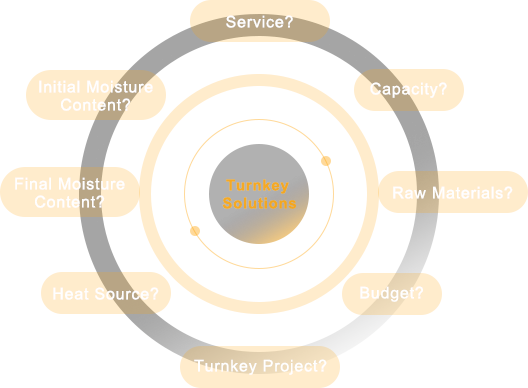
Note: To receive an accurate equipment recommendation tailored to your application, please provide the following details: material type (sawdust, wood chips, straw, bagasse, cassava residues, etc.), initial moisture content, target throughput (t/h), and desired final moisture. Contact us with your specific requirements.
We're here to help with all your inquiries. Send us a message and we'll get back to you promptly.
Fill out the form below and we'll contact you soon