Get Free Quote
Contact us for personalized pricing
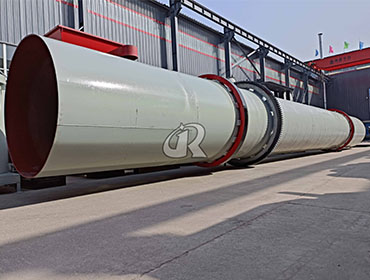
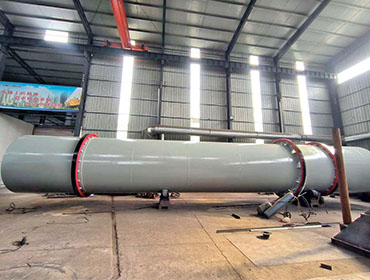
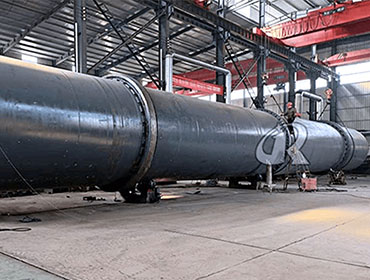
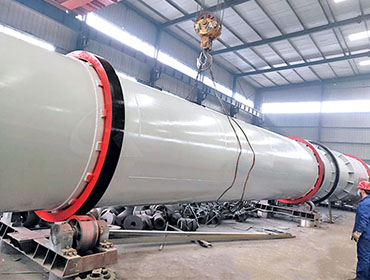
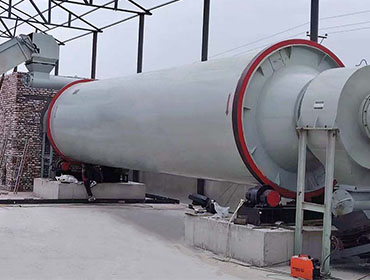
Cassava Residue Rotary Dryer | Cassava Pulp Drying Machine - Turn Waste into Value
Cassava residue (also known as cassava pulp, cassava waste, or cassava fiber) is a major byproduct of cassava starch, cassava ethanol, and cassava feed processing operations. Fresh cassava residue has an extremely high moisture content of 60%-80%, making it highly prone to spoilage and odor generation, leading to serious environmental pollution, high disposal costs, and potential regulatory penalties.
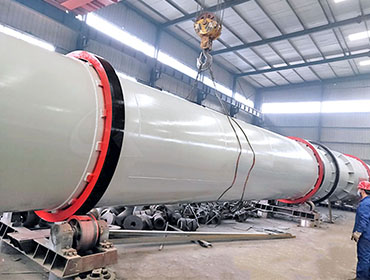
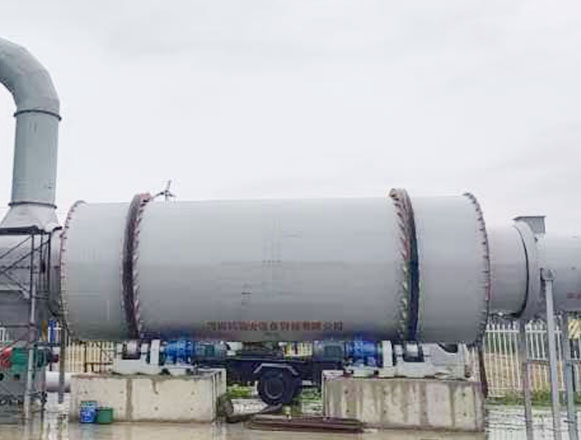
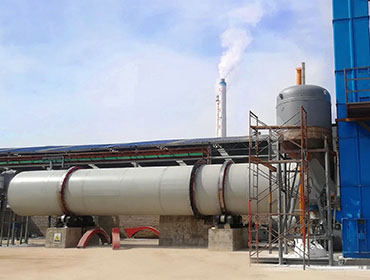
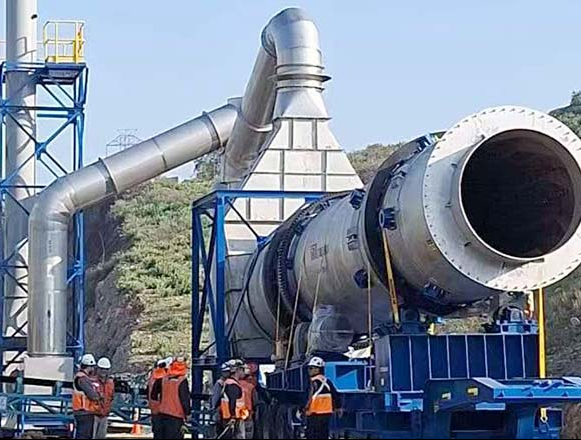
Our Cassava Residue Rotary Dryer is specifically designed to solve this problem. Utilizing rotary drum drying technology combined with a powerful breaking device and efficient heat exchange system, it rapidly reduces cassava residue moisture from 60%-80% to below 12%-15%. Dried cassava residue is stable, easy to store and transport, and can be sold as high-value ruminant animal feed ingredient, biomass fuel, or organic fertilizer base material—turning what was once “waste” into a stable source of profit.
Dried products from the Cassava Residue Dryer can be widely used in the following applications:
| Application | Dried Product | Value Proposition |
|---|---|---|
| Animal Feed | Dried cassava residue feed | Serves as energy feed for ruminants (cattle, sheep), partially replacing corn and reducing feeding costs |
| Biomass Fuel | Cassava residue pellets | Calorific value reaches 3000-4000 kcal/kg, can be used as boiler fuel to replace coal |
| Organic Fertilizer | Cassava residue organic fertilizer | Rich in organic matter, can be fermented into high-quality organic fertilizer for soil improvement |
| Ethanol/Starch Production | Dried residue for reuse | Some facilities use dried cassava residue as supplementary material, improving raw material utilization |
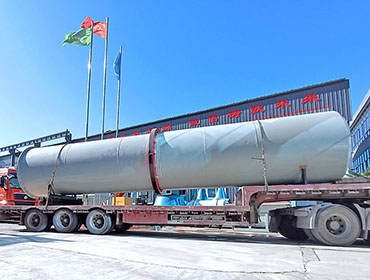
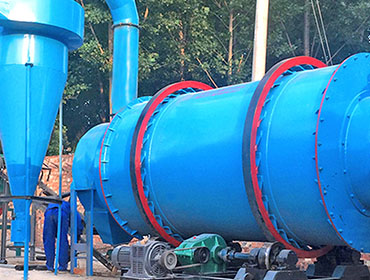
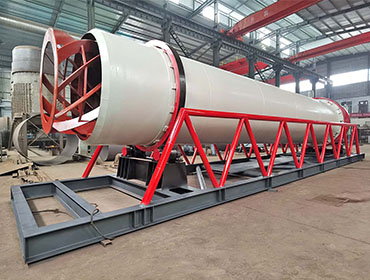
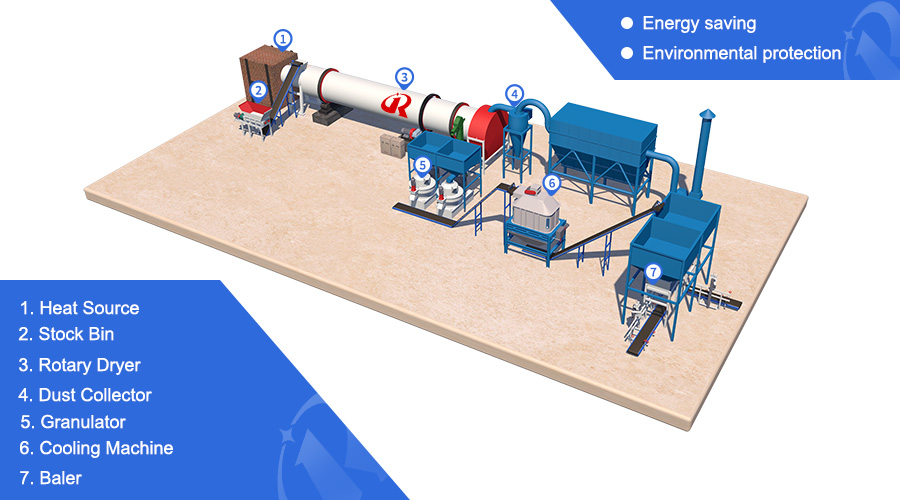
This rotary cassava residue dryer utilizes a co-current drying process, specially optimized for the high moisture and high stickiness characteristics of cassava residue.
Feeding & Powerful Breaking: Wet cassava residue with 60%-80% moisture is fed into the cylinder via a conveyor. A heavy-duty powerful breaking device at the feed end forcibly breaks up agglomerated wet residue into small particles, preventing blockages and ensuring uniform drying.
Efficient Heat Exchange: A hot air furnace generates hot air (temperature adjustable, typically 200°C-400°C), which fully contacts the cassava residue inside the cylinder. The cylinder interior features a combined lifting plate system, constantly lifting the material to form a uniform “material curtain” that maximizes contact area with hot air.
Co-Current Drying Process: Hot air and material flow in the same direction (co-current). High-temperature hot air first contacts the high-moisture material, rapidly evaporating surface moisture, effectively preventing material charring while improving thermal efficiency.
Gas-Solid Separation: The dried cassava residue (moisture reduced to 12%-15%) is discharged via a discharger, while dust-laden exhaust gas enters a high-efficiency pulse baghouse filter to ensure emission compliance and clean production.
| Dryer Size (Dia×Length) | Capacity (T/H) (Initial 60%) |
Capacity (T/H) (Initial 80%) |
Initial Moisture (%) | Final Moisture (%) | Total Power (kW) |
|---|---|---|---|---|---|
| Φ1.5×12 m | 3.5 – 5.0 | 1.8 – 2.5 | 60–80 | 12–15 | 35 – 45 |
| Φ1.8×14 m | 5.5 – 7.5 | 2.8 – 4.0 | 60–80 | 12–15 | 55 – 70 |
| Φ2.0×16 m | 8.0 – 11.0 | 4.0 – 6.0 | 60–80 | 12–15 | 75 – 90 |
| Φ2.2×18 m | 11.0 – 14.5 | 5.5 – 8.0 | 60–80 | 12–15 | 95 – 110 |
| Φ2.4×20 m | 14.0 – 18.5 | 7.0 – 10.5 | 60–80 | 12–15 | 120 – 140 |
| Φ2.8×24 m | 19.0 – 25.0 | 10.0 – 15.0 | 60–80 | 12–15 | 160 – 190 |
| Φ3.0×25 m | 25.0 – 32.0 | 13.0 – 19.0 | 60–80 | 12–15 | 200 – 240 |
| Φ3.2×28 m | 32.0 – 40.0 | 17.0 – 24.0 | 60–80 | 12–15 | 250 – 300 |
| Parameter | Typical Value | Professional Note |
|---|---|---|
| Final Moisture (after drying) | 12% – 14% (for feed grade) | This range is the industry standard for safe storage (prevents mold growth) and feed pelletizing. |
| 10% – 12% (for fuel/energy use) | Lower final moisture (≤12%) is preferred when cassava residue is used as biomass fuel (e.g., for boiler combustion) to achieve higher calorific value. | |
| ≤ 8% (special applications) | Some industrial applications (e.g., fermentation, chemical processing) may require ultra-low moisture, but this increases drying cost significantly. |
Designed for Cassava Processing Industry: We deeply understand the characteristics of cassava residue—high moisture, high stickiness, strong fibers, and rapid spoilage. From the breaking device to the lifting plate structure, every aspect is optimized for cassava residue.
Turn Waste into Value, Create Additional Revenue: Dried cassava residue can be sold to feed mills, biomass fuel plants, or organic fertilizer facilities, turning what was once a “waste” requiring disposal costs into a stable source of income.
Reduce Environmental Pressure: Timely drying prevents the odor, leachate, and environmental penalties caused by accumulated cassava residue, helping you pass environmental inspections with ease.
Global Service Network: With over 15 years of experience serving major cassava-producing regions including Southeast Asia, Africa, and South America, we can dispatch engineers for overseas installation and commissioning, providing bilingual technical support.
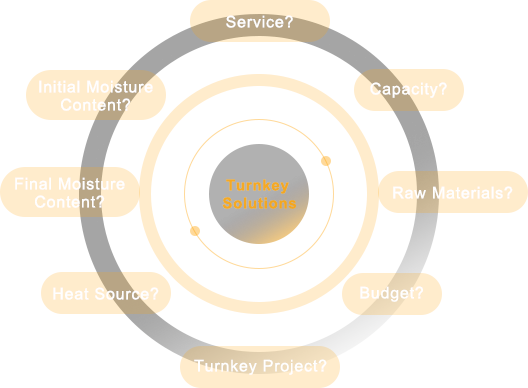
EPC Turnkey Capability: From material testing, process design, and equipment manufacturing to installation, commissioning, and personnel training, we provide complete turnkey engineering services.
Turn your cassava residue from an “environmental burden” into a “stable revenue stream”! If you are struggling with cassava residue disposal, contact us today to get a cassava residue drying solution tailored to your facility.
Get Your Customized Solution:
Request a Quote → Tell us your capacity, heat source availability, and site conditions, and we will respond within 24 hours
Schedule a Technical Discussion → Speak one-on-one with our drying engineer specialized in cassava processing
We're here to help with all your inquiries. Send us a message and we'll get back to you promptly.
Fill out the form below and we'll contact you soon