Get Free Quote
Contact us for personalized pricing
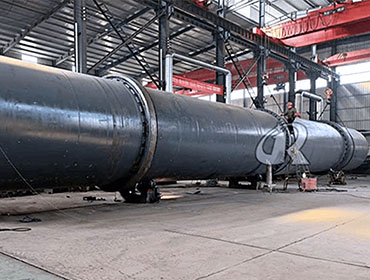
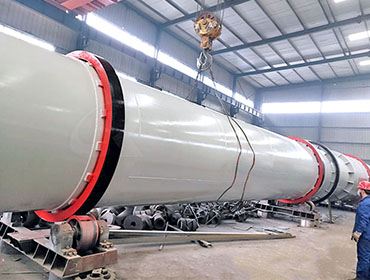
Fruit Pomace & Bean Dregs Rotary Dryer | Apple Pomace Dryer - Turn Waste into Value
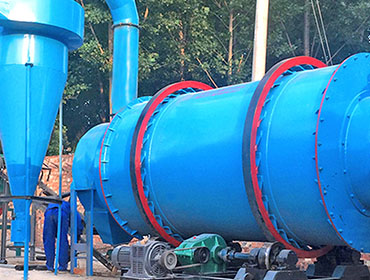
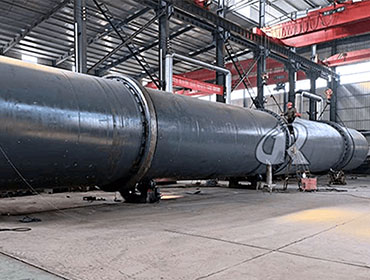
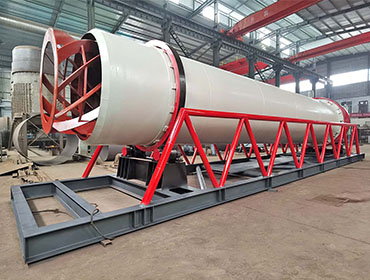
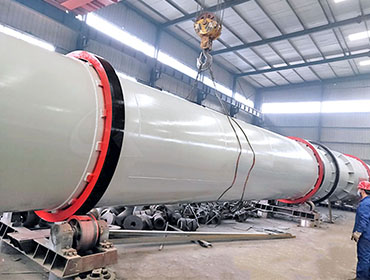
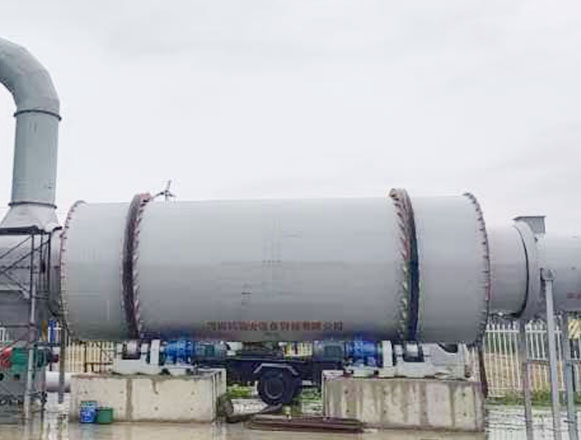
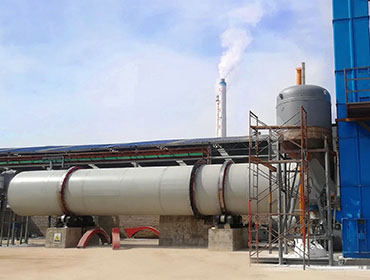
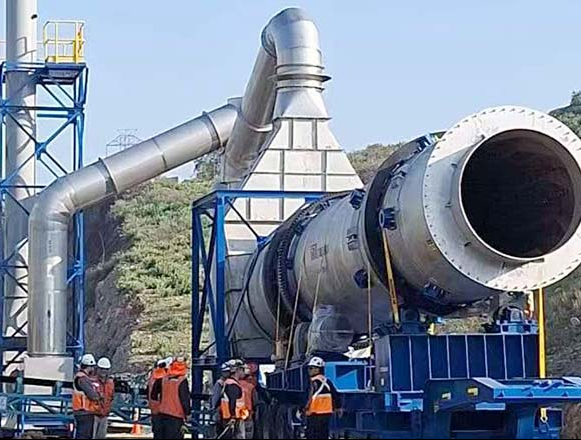
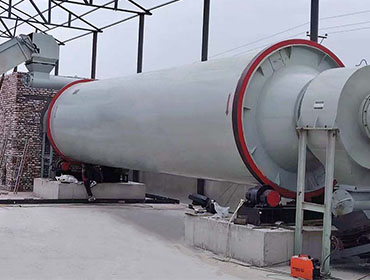
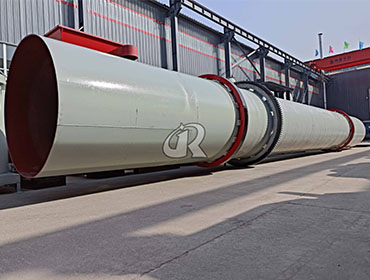
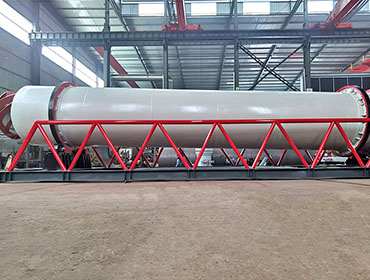
Our Fruit Pomace & Bean Dregs Rotary Dryer is specifically designed for these high-moisture, high-viscosity, easily adhered materials. Utilizing rotary drum drying technology combined with a patented powerful breaking device, self-cleaning lifting plate system, and low-temperature, high-air-volume drying process, it rapidly reduces material moisture from 70%-85% down to 10%-15%, completely solving the common problems of "difficult feeding, severe adhesion, and frequent blockages" found in traditional equipment.
Compared with triple-pass dryers, the single-drum rotary dryer features a simpler structure, lower capital investment, and easier maintenance—making it particularly suitable for small to medium-scale fruit pomace and bean dregs processing projects. Whether it is apple pomace, citrus pulp, grape pomace, olive pomace, soybean dregs, potato pulp, or brewer's spent grain, one system can efficiently dry them all, helping you turn an "environmental burden" into a "stable revenue stream."
The Fruit Pomace & Bean Dregs Rotary Dryer is widely used for drying various high-moisture, high-viscosity organic byproducts. The dried products can enter the following high-value markets:
| Material Type | Typical Materials | Post-Drying Applications | Value Proposition |
|---|---|---|---|
| Apple Pomace | Apple pomace | Ruminant feed, pectin extraction, biomass fuel | Rich in pectin and fiber, partially replaces grain feed, reduces feeding costs |
| Citrus Pulp | Citrus pulp | Dairy cattle feed, biomass fuel | Rich in vitamins and fiber, good palatability, increases milk production |
| Grape Pomace | Grape pomace | Feed additive, polyphenol extraction, fuel | Rich in polyphenols and fiber, functional feed additive |
| Olive Pomace | Olive pomace | Biomass fuel, fertilizer base | High calorific value, suitable for briquetting and power generation |
| Bean Dregs | Soybean dregs, okara | High-protein pig and poultry feed, organic fertilizer | High protein content, good palatability after drying, long shelf life |
| Tuber Residue | Potato pulp, cassava pulp | Feed ingredient, industrial alcohol raw material, fuel | High starch content, easy to store and transport after drying |
| Grain Processing Residue | Brewer's spent grain | High-protein feed, biomass fuel | Rich in crude protein and fiber, high-quality livestock feed |
Core Value After Drying:
50%-60% Weight Reduction: Dramatic reduction in volume and weight, lowering transport costs by over 60%
Complete Sterilization: High-temperature drying eliminates mold, bacteria, and insect eggs, ensuring safe and hygienic products
Long-Term Storage: Moisture reduced to safe levels, enabling 12-24 months of storage without spoilage
Value Multiplication: Dried products command 5-8 times the price of wet residue, turning a "cost center" into a "profit center"
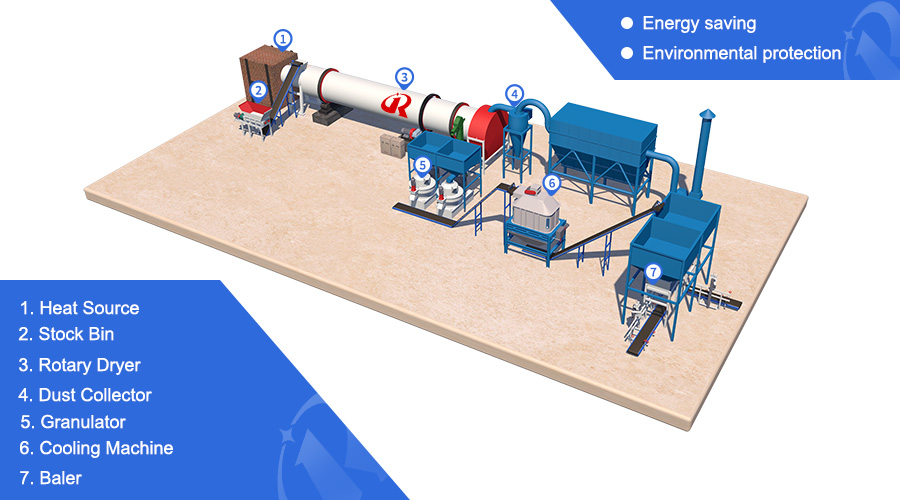
This Fruit Pomace & Bean Dregs Rotary Dryer utilizes a co-current rotary drying process, specially reinforced for the high-moisture, high-viscosity, high-fiber characteristics of fruit pomace and bean dregs:
Step 1: Powerful Breaking & Uniform Feeding
Wet fruit pomace or bean dregs (70%-85% moisture) are fed into the dryer inlet via a screw or belt conveyor. The feed inlet is equipped with a patented heavy-duty powerful breaking device, consisting of high-speed rotating shafts and specially shaped blades, which instantly breaks agglomerated, sticky wet residue into fine particles or flocculent form, preventing material clumping and inlet blockages—laying the foundation for uniform drying.
Step 2: Anti-Sticking, Self-Cleaning Heat Exchange
The broken material enters the rotating cylinder. The cylinder rotates at a set speed, and the interior features a segmented self-cleaning lifting plate system. The specially designed curvature and arrangement of the lifting plates continuously lift the material during rotation, while utilizing the material's own gravity and inertia to automatically scrape off adhered wet residue from the plate surfaces—completely solving the worldwide problem of "wall sticking and ring formation" for high-viscosity materials.
A hot air furnace generates low-temperature hot air (150°C-350°C, precisely adjustable based on material thermal sensitivity), which flows co-currently with the material inside the cylinder. The high-air-volume design ensures rapid moisture evaporation while preventing pectin carbonization in fruit pomace or protein denaturation in bean dregs.
Step 3: Co-Current Drying & Dewatering
Hot air and material flow in the same direction. High-temperature air first contacts the highest-moisture material, rapidly evaporating surface free water. As the material moves toward the discharge end, the air temperature gradually decreases, enabling gentle deep drying that removes bound moisture from within the material. The entire process takes approximately 20-40 minutes, reducing moisture from 70%-85% to 10%-15%.
Step 4: Gas-Solid Separation & Exhaust Treatment
The dried material is discharged via a gravity discharger or cyclone separator, proceeding to subsequent cooling, grinding, or pelletizing processes. The dust-laden, humid exhaust gas enters a high-efficiency pulse baghouse filter for purification before being safely discharged. Recovered fine powder can be remixed into the final product, achieving zero loss.
| Model | Cylinder Dia. (m) | Cylinder Length (m) | Capacity (t/h) | Initial Moisture | Final Moisture | Power (kw) |
|---|---|---|---|---|---|---|
| RD-1.2×10 | 1.2 | 10 | 1-3 | 70%-85% | 10%-15% | 22 |
| RD-1.5×12 | 1.5 | 12 | 2-5 | 70%-85% | 10%-15% | 37 |
| RD-1.8×14 | 1.8 | 14 | 4-8 | 70%-85% | 10%-15% | 55 |
| RD-2.0×16 | 2.0 | 16 | 6-12 | 70%-85% | 10%-15% | 75 |
| RD-2.2×18 | 2.2 | 18 | 8-16 | 70%-85% | 10%-15% | 90 |
| RD-2.4×20 | 2.4 | 20 | 12-22 | 70%-85% | 10%-15% | 110 |
| RD-2.6×22 | 2.6 | 22 | 16-30 | 70%-85% | 10%-15% | 132 |
Note: Data based on typical fruit pomace/bean dregs material. Final specifications subject to material testing results. Custom sizes available upon request.
Designed for High-Moisture, High-Viscosity Materials: We deeply understand the "sticky, clumpy, wet" characteristics of fruit pomace and bean dregs. From the breaking device to the lifting plates, from temperature control strategy to sealing structure, every aspect is specifically optimized for these materials.
Lower Capital Investment, Shorter Payback Period: The single-drum rotary structure is simple and reliable, reducing equipment investment by 30%-40% compared to triple-pass dryers, with lower maintenance costs. For small to medium-scale fruit pomace and bean dregs processing projects, this is the most cost-effective choice.
Turn Waste into Value, Create Additional Revenue: Dried fruit pomace and dregs can be sold at high prices to feed mills, biomass fuel plants, or organic fertilizer facilities. For example, wet apple pomace costs approximately $20-30/ton to dispose of, while dried apple pomace can sell for $150-200/ton—enormous value-added potential per ton.
Solve Environmental Problems Completely: Timely drying eliminates the odors, leachate, insect infestations, and environmental penalties caused by open-air stockpiling, helping you easily pass ISO14000 and local environmental inspections.
Easy Operation, Simple Maintenance: The single-drum structure has fewer maintenance points, and operators can quickly become proficient without complex training. The equipment runs stably with low failure rates.
Global Service Network: With over 15 years of experience serving customers in juice processing, soybean product manufacturing, and biofuel industries, our products have been exported to over 30 countries and regions including Europe, North America, Southeast Asia, and South America. We dispatch engineers for overseas installation and commissioning, providing bilingual technical support.
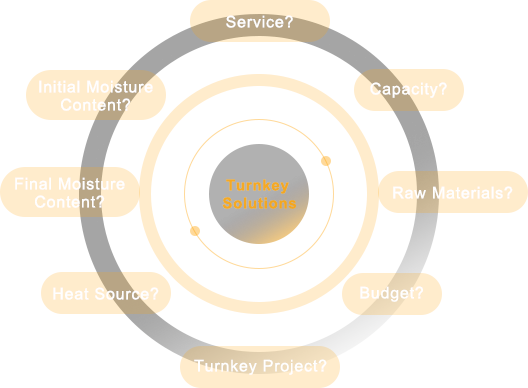
EPC Turnkey Capability: From material testing, process design, and equipment manufacturing to installation, commissioning, and personnel training—complete turnkey engineering services.
Turn your fruit pomace and bean dregs from a "headache waste" into a "high-value commodity"! If you are struggling with the disposal of high-moisture, high-viscosity materials, contact us today to get a single-drum rotary drying solution tailored to your specific residue.
Get Your Customized Solution:
Request a Quote → Tell us your capacity, heat source availability, and site conditions, and we will respond within 24 hours
Schedule a Technical Discussion → Speak one-on-one with our residue drying engineer
We're here to help with all your inquiries. Send us a message and we'll get back to you promptly.
Fill out the form below and we'll contact you soon