Get Free Quote
Contact us for personalized pricing
Brewers Spent Grain Dryer | Distillers Grains Dryer - Triple-Pass DDGS Drying System
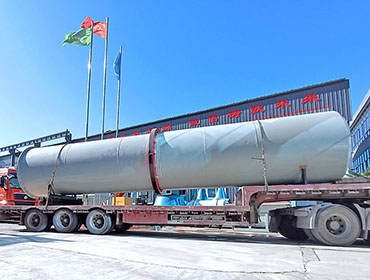
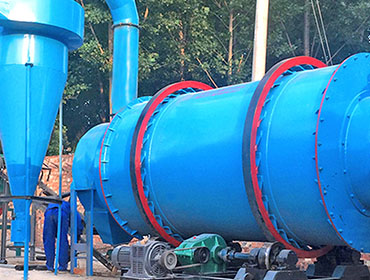
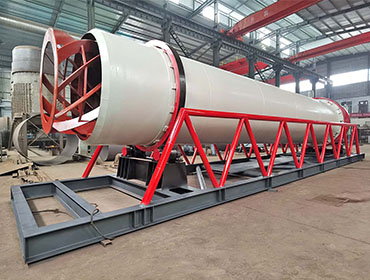
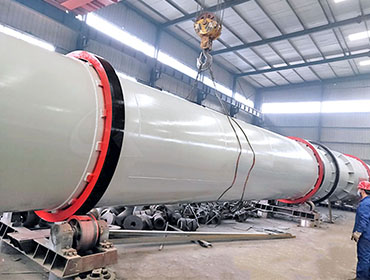
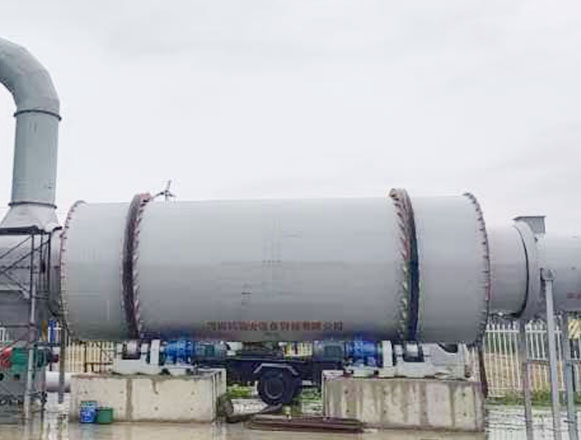
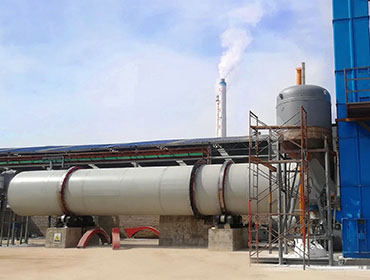
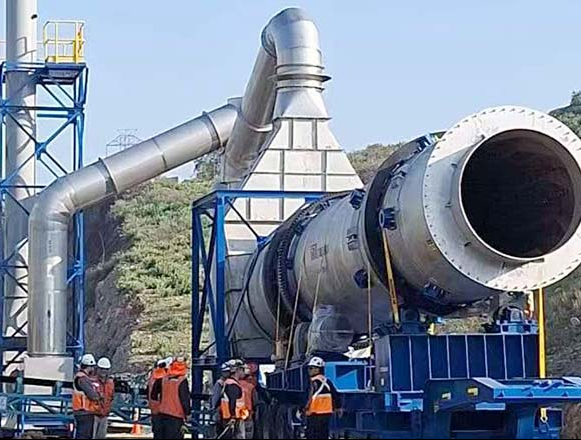
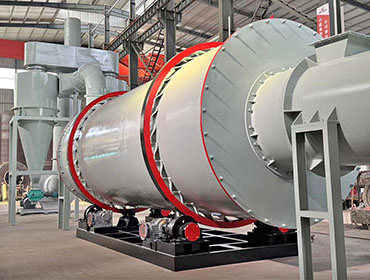
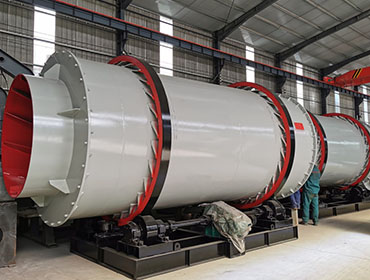
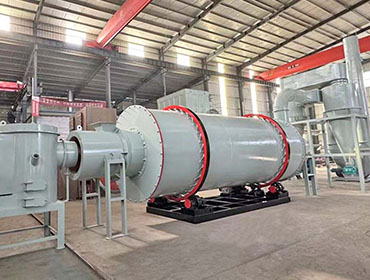
Brewers spent grain dryer equipment is specifically designed for high‑humidity and high‑viscosity biomass materials. It serves as a reliable brewers spent grain dryer, vinasse dryer, and distillers grains dryer, efficiently processing distiller’s grains (baijiu/white spirit), brewer’s spent grains (BSG), soy sauce residue, and fruit pomace. Thanks to its three‑cylinder nested structure, it occupies a much smaller footprint while improving thermal efficiency by 40%–50% compared to traditional single‑cylinder dryers. It is the core spent grain drying equipment for feed production, biomass energy, and organic fertilizer lines.
Brewing & Distilling Industry: Ideal as a brewers spent grain dryer for BSG, a vinasse dryer for baijiu/spirit vinasse, and for wine lees drying.
Bio‑fermentation: Citric acid residue, antibiotic mycelium, enzyme preparation residue.
Food By‑products: Soy sauce residue, vinegar residue, fruit pomace, coffee grounds.
Energy & Feed: Converting residues into high‑protein feed ingredients or biomass fuel pellets using advanced spent grain drying equipment.
This Spent Grain Triple-Pass Dryer utilizes three concentric cylinders nested inside each other, dividing the drying process into three stages while leveraging the "self-insulating" effect of thermal energy, with special optimization for the high-moisture, high-viscosity, high-nutrient characteristics of brewers and distillers grains:
Stage One: Outer Cylinder (Co-current Drying)
Wet spent grain (65%-80% moisture) is fed into the outer cylinder via a screw or belt conveyor. The feed inlet is equipped with a patented powerful breaking device that instantly breaks clumped, sticky wet grain into fine particles, preventing blockages. A hot air furnace generates 150°C-280°C low-temperature hot air, flowing in the same direction as the material, rapidly evaporating surface free water. Combined lifting plates on the inner wall continuously lift and drop the grain, forming a uniform "material curtain" that maximizes heat exchange area.
Stage Two: Middle Cylinder (Counter-current Drying)
Material enters the middle cylinder where hot air flows in the opposite direction. The middle cylinder is surrounded by the outer and inner cylinders, creating a self-insulating system—heat dissipated from the inner and outer cylinders is absorbed by the material in the middle, achieving full thermal utilization and significantly improving thermal efficiency. This stage provides deep dewatering, removing bound moisture from within the grain, while the gentle drying curve protects proteins and amino acids from degradation.
Stage Three: Inner Cylinder (Reciprocating Drying)
Material enters the inner cylinder where moisture has been significantly reduced. Under the action of specially designed rectangular multi-loop lifting plates, the material moves in a "two steps forward, one step back" pattern, extending residence time and ensuring uniform drying. Final moisture is stably controlled at 10%-12%.
Anti-Sticking & Nutrient Protection Design:
Low-Temperature, High-Air-Volume Process: 150°C-280°C low-temperature hot air prevents protein denaturation and Maillard reactions caused by high temperatures
Powerful Breaking Device: Instantly breaks sticky wet residue into fine particles, preventing clumping and scorching
Rapid Dewatering: Short drying time (20-40 minutes) maximizes retention of amino acids and digestible fiber
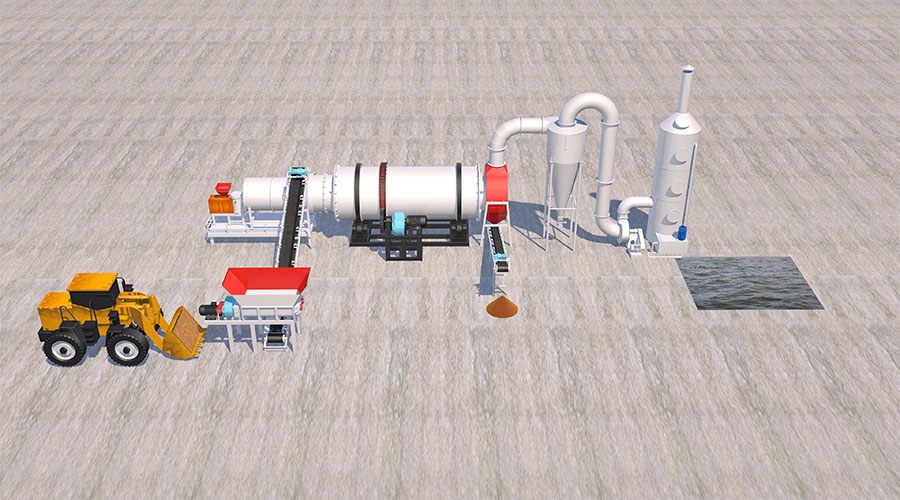
Gas-Solid Separation: Dried grain is discharged via a discharger, while dust-laden exhaust gas enters a high-efficiency pulse baghouse filter for purification before being safely discharged. Recovered fine powder can be remixed into the final product.
| Model (Dia×Length) | Capacity (T/H) | Initial Moisture (%) | Final Moisture (%) | Total Power (kW) |
|---|---|---|---|---|
| Ф2.0×10m | 1 – 4 | 65 – 80 | 10 – 12 | 78 |
| Ф2.2×10m | 2 – 6 | 65 – 80 | 10 – 12 | 85 |
| Ф2.5×10m | 3 – 9 | 65 – 80 | 10 – 12 | 110 |
| Ф2.5×12m | 4 – 12 | 65 – 80 | 10 – 12 | 125 |
| Ф2.9×12m | 6 – 18 | 65 – 80 | 10 – 12 | 135 |
| Ф2.9×15m | 8 – 22 | 65 – 80 | 10 – 12 | 160 |
| Ф3.2×15m | 10 – 28 | 65 – 80 | 10 – 12 | 185 |
Designed for the Brewing & Distilling Industry: We deeply understand the characteristics of spent grain—high moisture, high viscosity, high protein, and rapid spoilage. From the breaking device to low-temperature processes, from anti-sticking design to temperature control strategies, every aspect is optimized for spent grain, ensuring DDGS-grade quality after drying.
Significantly Increase Product Value: Wet spent grain is a "burden," while dried grain is "wealth." For example, DDGS commands international market prices of $200-300 per ton, while wet grain disposal costs are approximately $10-20 per ton. The value-added potential exceeds $200 per ton.
Support Circular Economy & Sustainable Development: Through efficient drying and resource utilization, we help breweries and distilleries achieve "zero waste discharge," transforming byproducts into high-value feed or fuel, aligning with global sustainability trends.
Lower Total Cost of Ownership: Triple-pass structure saves 40%-60% energy, reduces floor space by 50%, and offers long equipment life—far lower lifecycle costs than alternative drying solutions.
Global Service Network: With over 20 years of experience serving the global brewing and distilling industries, our products have been exported to over 50 countries and regions including the US, Germany, Belgium, Netherlands, China, Japan, Brazil, and Mexico. We dispatch engineers for overseas installation and commissioning, providing multilingual technical support.
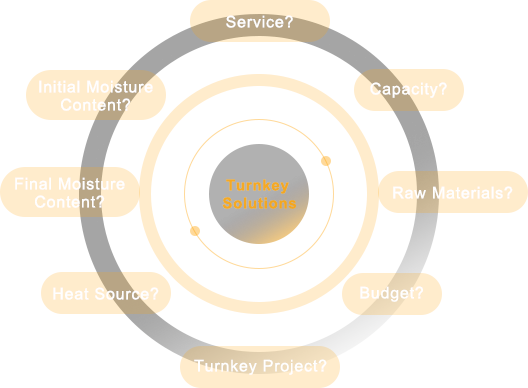
EPC Turnkey Capability: From material testing, process design, and equipment manufacturing to installation, commissioning, and personnel training—complete turnkey engineering services.
Turn your spent grain from an "environmental burden" into a "high-value commodity"! If you are struggling with spent grain disposal or looking to create additional revenue for your brewery or distillery, contact us today to get a grain drying solution tailored to your facility.
Get Your Customized Solution:
Request a Quote → Tell us your capacity, heat source availability, and site conditions, and we will respond within 24 hours
Schedule a Technical Discussion → Speak one-on-one with our brewing industry drying engineer
We're here to help with all your inquiries. Send us a message and we'll get back to you promptly.
Fill out the form below and we'll contact you soon