Get Free Quote
Contact us for personalized pricing
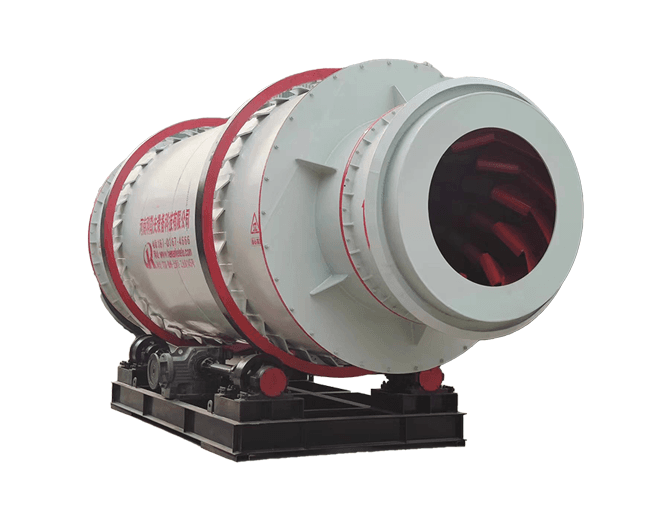
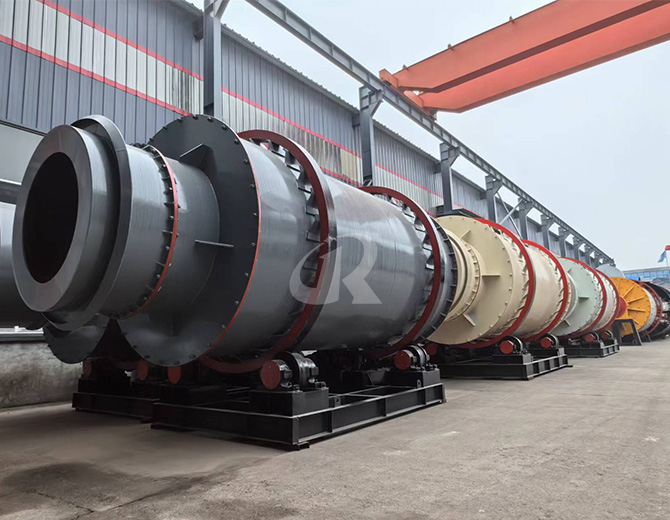
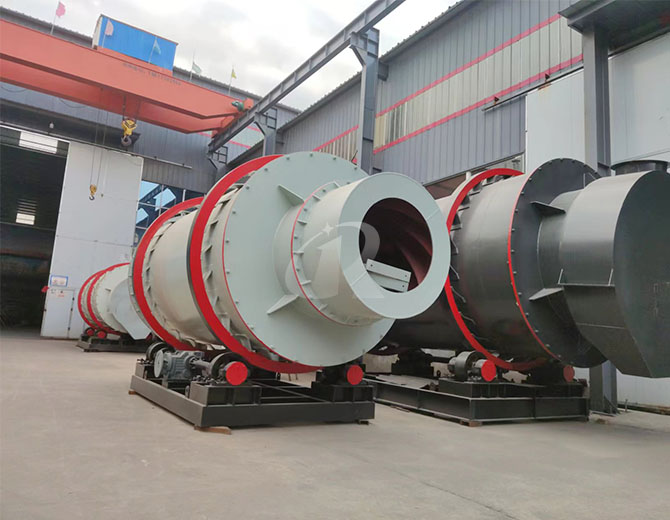
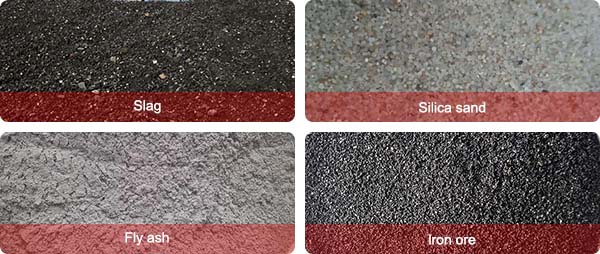
Slag is a major solid waste product from the iron and steel smelting process, including blast furnace slag, steel slag, and granulated slag. For every ton of pig iron produced, approximately 0.3-0.4 tons of slag are generated, with hundreds of millions of tons produced globally each year. Fresh slag has a moisture content as high as 20%-35%, with granulated slag reaching 40%-50%.
Dried slag is an extremely valuable cement blending material, slag powder raw material, concrete admixture, and building material. When ground into slag powder, it exhibits high activity and can replace 30%-50% of cement clinker, significantly reducing cement production costs and carbon emissions.
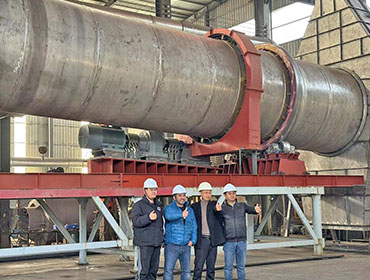
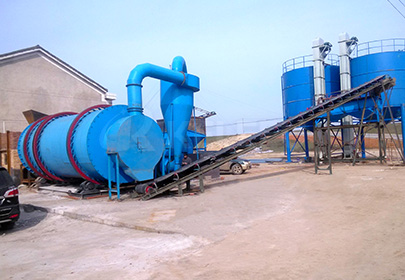
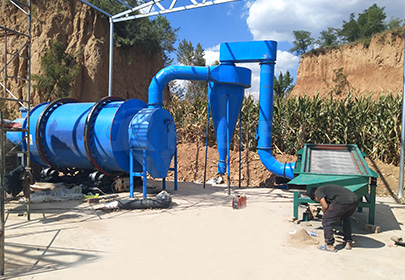
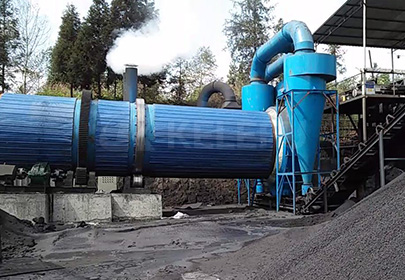
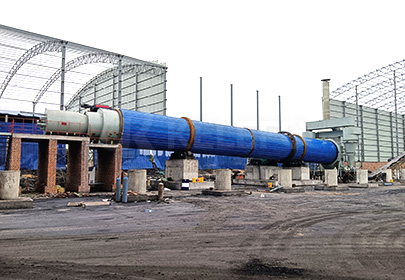
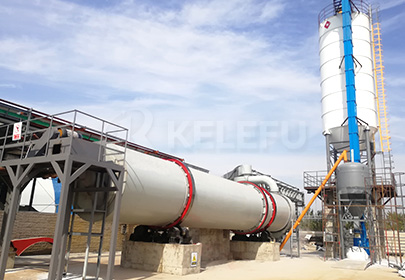
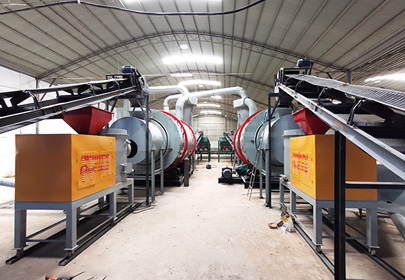
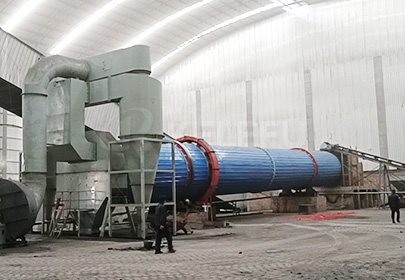
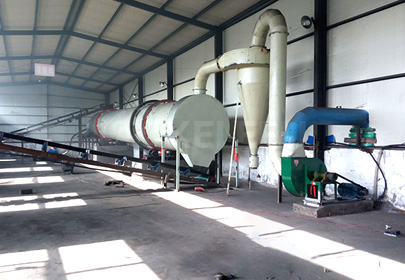
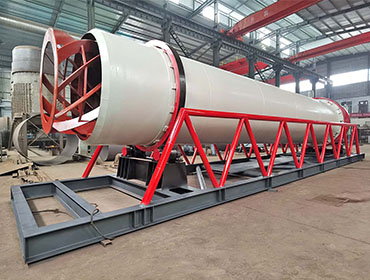
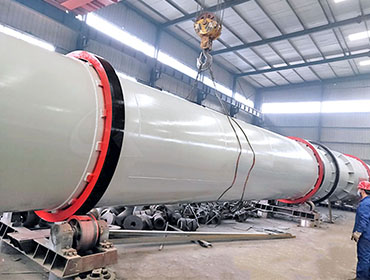
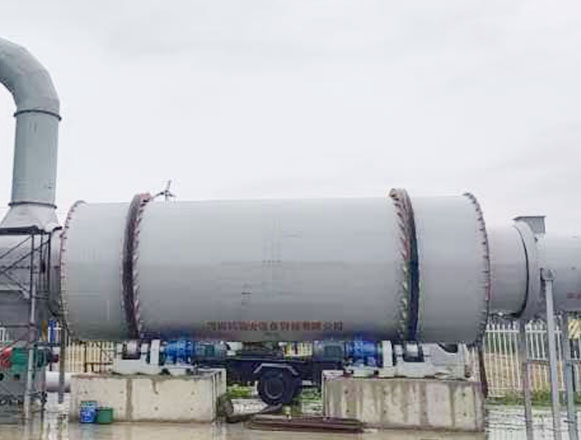
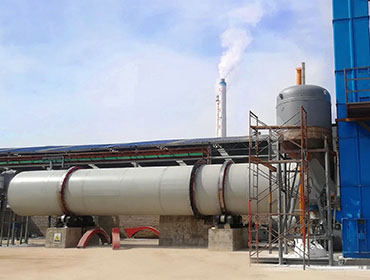
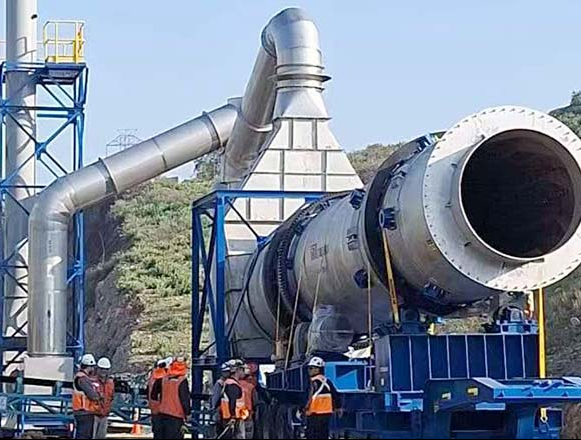
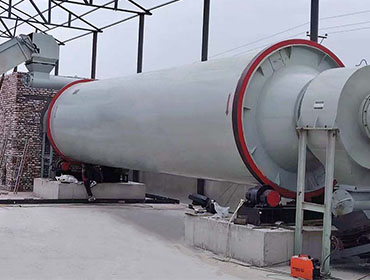
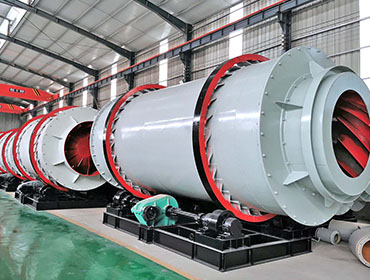
Our Slag Triple-Pass Rotary Dryer is specifically designed for this application. Utilizing three concentric cylinders nested inside each other, combined with wear-resistant design, anti-sticking breaking device, and high-efficiency dust collection system, it rapidly reduces slag moisture from 20%-50% down to 1%-3%, providing ideal feed for subsequent slag powder production.
Compared with traditional single-drum dryers, the triple-pass design achieves thermal efficiency exceeding 80%, over 50% less floor space, and 40%-60% lower energy consumption—making it the ideal choice for steel plants, slag powder plants, and cement plants processing slag.
Dried products from the Slag Dryer can be widely used in the following applications:
| Application | Product Form | Value Proposition |
|---|---|---|
| Slag Powder | Ground granulated blast furnace slag (GGBFS) | Replaces 30%-50% of cement clinker, reducing cement costs and carbon emissions |
| Cement Blending | Slag cement | Improves cement performance, enhances later strength |
| Concrete Admixture | High-performance concrete | Increases concrete durability, corrosion resistance, and later strength |
| Building Materials | Blocks, bricks, road materials | Replaces natural aggregates, reduces building material costs |
| Soil Improvement | Acid soil conditioner | Neutralizes soil acidity, provides silicon and calcium |
This Slag Triple-Pass Rotary Dryer utilizes three concentric cylinders nested inside each other, dividing the drying process into three stages, with special reinforcement for the high-moisture, highly abrasive, and ring-forming characteristics of slag:
Stage One: Outer Cylinder (Co-current Drying)
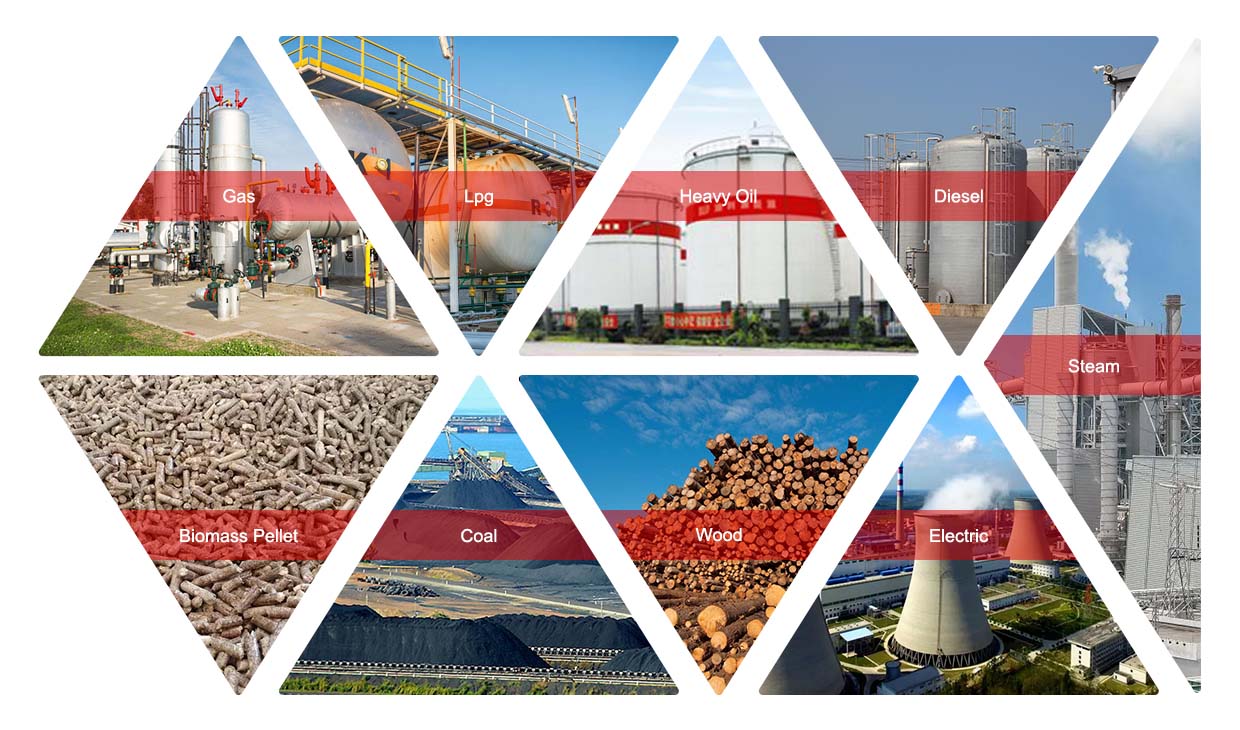
Wet slag (20%-50% moisture) is fed into the outer cylinder via a conveyor. The feed inlet is equipped with a powerful breaking device that forcibly breaks agglomerated wet slag, preventing blockages. A hot air furnace generates 300°C-550°C hot air, which flows in the same direction as the material, rapidly evaporating surface free water. Combined lifting plates on the inner wall continuously lift and drop the slag, forming a uniform "material curtain" that maximizes heat exchange area.
Stage Two: Middle Cylinder (Counter-current Drying)
Material enters the middle cylinder where hot air flows in the opposite direction. The middle cylinder is surrounded by the outer and inner cylinders, creating a self-insulating system—heat dissipated from the inner and outer cylinders is absorbed by the material in the middle, achieving full thermal utilization and significantly improving thermal efficiency. This stage provides deep dewatering, removing bound moisture from within the slag.
Stage Three: Inner Cylinder (Reciprocating Drying)
Material enters the inner cylinder where moisture has been significantly reduced. Under the action of specially designed rectangular multi-loop lifting plates, the material moves in a "two steps forward, one step back" pattern, extending residence time and ensuring uniform drying. Final moisture is stably controlled at 1%-3%.
Wear-Resistant Design: Slag contains hard particles (silicates, iron compounds, etc.) that cause extreme wear. Critical areas of the cylinder are equipped with high-manganese steel wear-resistant liners, and lifting plates undergo hardfacing welding treatment, significantly extending equipment service life.
Anti-Ring Formation Design: Slag tends to adhere and form rings at certain moisture levels. The cylinder interior features segmented anti-sticking lifting plates with self-cleaning structures, effectively preventing ring formation for continuous, stable operation.
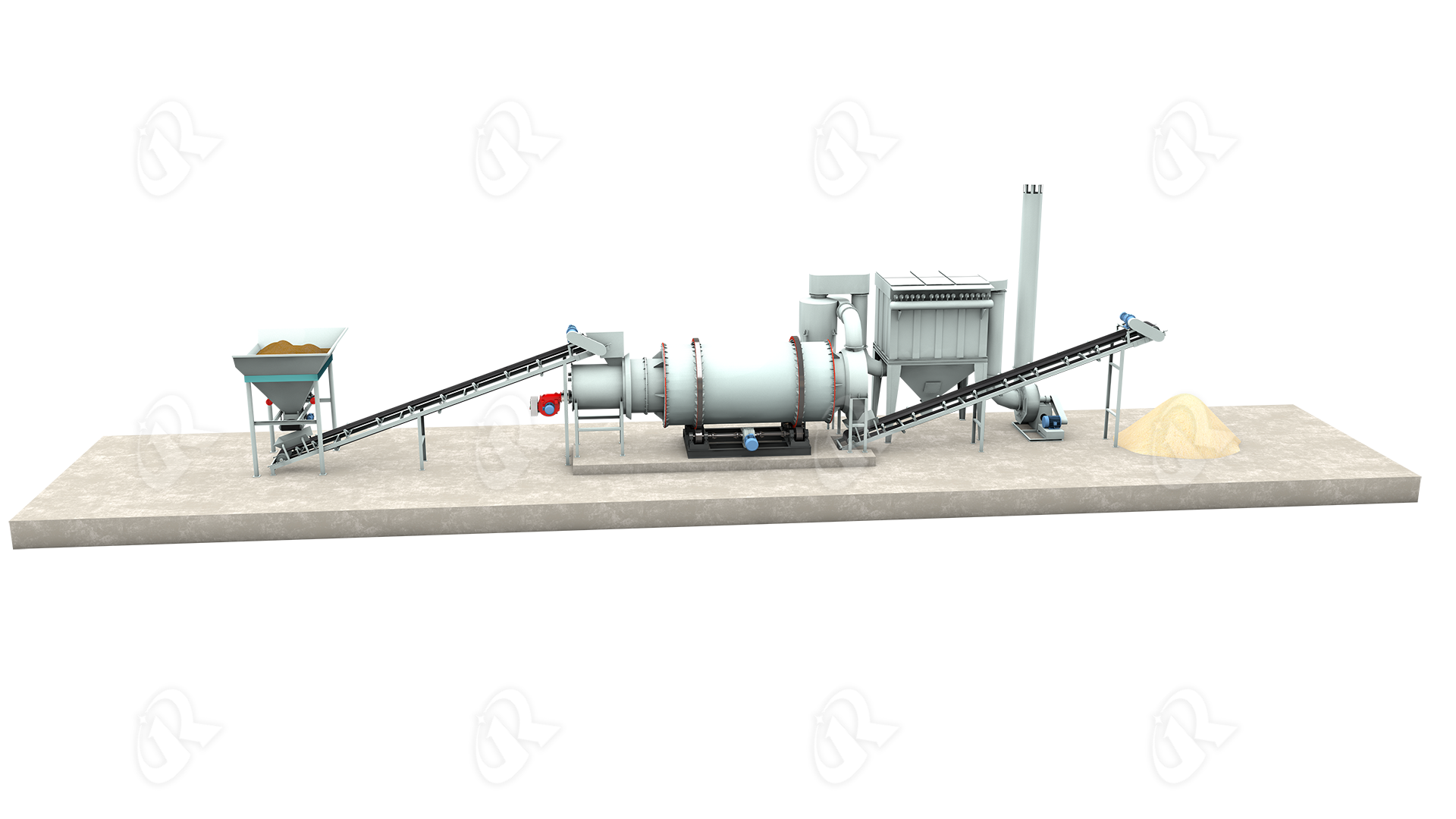
Gas-Solid Separation: Dried slag is discharged via a discharger, while dust-laden exhaust gas enters a high-efficiency pulse baghouse filter for purification before being safely discharged.
| Model | Cylinder Dia. (m) | Length (m) | Capacity (t/h) | Initial Moisture | Final Moisture | Power (kW) |
|---|---|---|---|---|---|---|
| SGD-2010 | 2.0 | 10 | 8-18 | 20%-35% | 1%-3% | 78 |
| SGD-2210 | 2.2 | 10 | 12-25 | 20%-35% | 1%-3% | 85 |
| SGD-2510 | 2.5 | 10 | 18-35 | 20%-35% | 1%-3% | 110 |
| SGD-2512 | 2.5 | 12 | 22-45 | 20%-35% | 1%-3% | 125 |
| SGD-2912 | 2.9 | 12 | 30-60 | 20%-35% | 1%-3% | 135 |
| SGD-2915 | 2.9 | 15 | 40-80 | 20%-35% | 1%-3% | 160 |
| SGD-3215 | 3.2 | 15 | 55-110 | 20%-35% | 1%-3% | 185 |
We're here to help with all your inquiries. Send us a message and we'll get back to you promptly.
Fill out the form below and we'll contact you soon