Get Free Quote
Contact us for personalized pricing


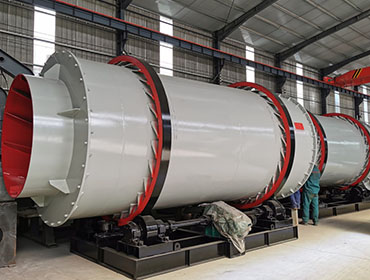
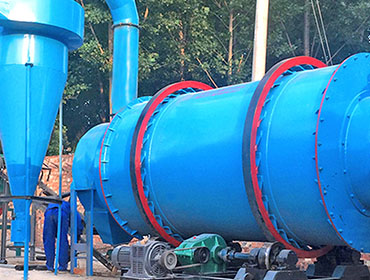
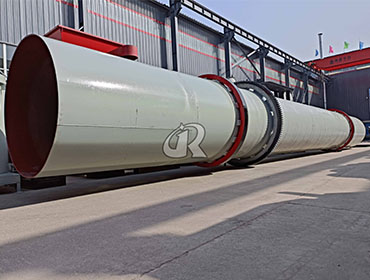
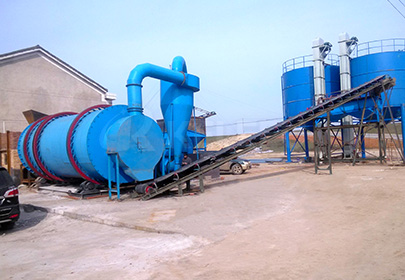
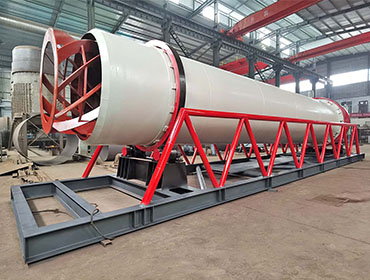
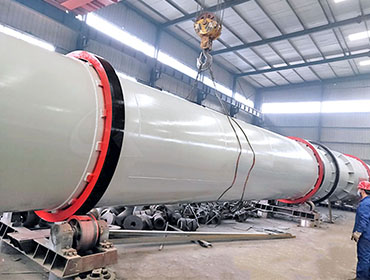
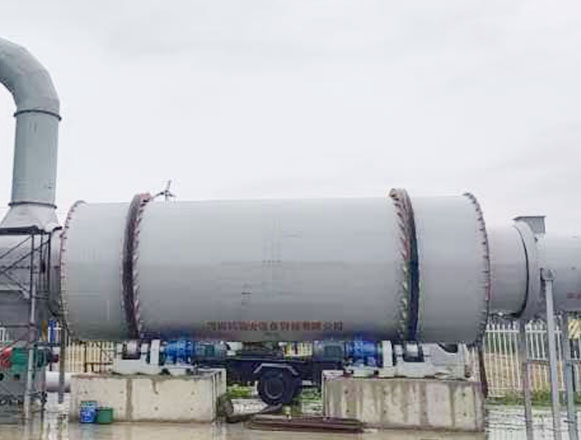
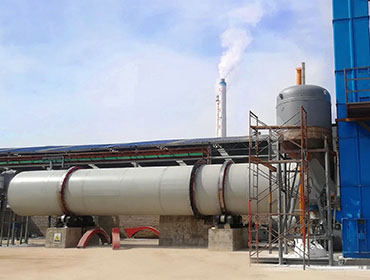
Coconut Coir Rotary Dryer | Coconut Fiber Drying Machine - Preserve Quality, Increase Value
Coconut coir (coconut fiber) is an important byproduct of the coconut processing industry, widely used in high-value markets such as horticultural substrates (coco peat), coir mattresses, ropes, geotextiles, and automotive interiors. However, freshly extracted coconut fiber has a moisture content as high as 50%-70%, making it highly prone to mold, decay, and odor generation—causing serious quality issues, significantly increasing storage and transportation costs, and limiting market competitiveness.
Our Coconut Coir Rotary Dryer is specifically designed to solve this problem. Utilizing rotary drum drying technology combined with gentle drying processes and anti-tangling design, it rapidly reduces coconut fiber moisture from 50%-70% to below 12%-15%. Dried coconut fiber is stable in nature, retains its natural color, and is free from mold and odor, ready for direct use in high-end horticultural substrates, coir products, geotextiles, and more—transforming a perishable byproduct into a high-value industrial raw material.
Dried coconut coir is stable in nature, retains its natural color, and is free from mold and odor, ready for direct use in high-end horticultural substrates (coco peat, coir pith), coir products, geotextiles, and more—transforming a perishable byproduct into a high-value industrial raw material, with market value increasing by 3-5 times.
Dried products from the coconut fiber drying machine can be widely used in the following applications:
| Application | Dried Product | Value Proposition |
|---|---|---|
| Horticultural Substrates | Coir pith, coco peat, growing media | Used as soilless growing media for high-value crops such as vegetables, flowers, and strawberries |
| Coir Products | Coir mattresses, coir pads, coir brushes | Used in mattresses, sofa cushions, seat pads, cleaning brushes, and other household products |
| Geotextile Materials | Coir netting, coir blankets, geotextiles | Used for slope protection, soil and water conservation, and ecological restoration projects |
| Rope & Weaving | Coconut fiber rope, woven products | Used for marine ropes, garden ties, and craft weaving |
| Automotive Interiors | Coconut fiber board, soundproofing materials | Used in automotive interior panels, soundproofing, and thermal insulation (eco-friendly and biodegradable) |
1. CE & ISO 9001 Certified Quality: Guaranteed safety, performance, and consistent manufacturing excellence. We meet international standards, so you can trust the build and operation.
2. Engineered for Coconut Shells: Not a generic dryer! Optimized drum design, lifter configuration, and airflow ensure gentle yet efficient tumbling, maximizing drying speed while minimizing dust and breakage – protecting your valuable feedstock.
3. Unlock Significant Savings:
Lower Energy Bills: Superior thermal efficiency design extracts maximum value from your heat source (biomass, gas, steam).
Higher Throughput: Continuous operation handles larger volumes consistently, boosting your overall production capacity.
4. Reduced Downtime: Robust construction (Q235/304 Stainless options) and proven design mean reliable operation & lower maintenance costs.
5. Precision Moisture Control: Achieve your exact target moisture (typically 5-15%) crucial for optimal carbonization yield and quality activated carbon. Consistent results, batch after batch.
6. Built for Your Needs: As a focused manufacturer, we offer greater flexibility. Customize drum size (Ø1.0m - Ø2.2m typical for mid-scale), heating method, and configurations to fit your specific capacity and site requirements.
7. Direct Factory Support & Value: Skip the middleman markup! Get competitive pricing directly from the manufacturer, backed by responsive technical support and readily available spare parts.
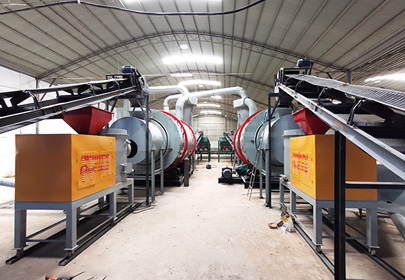
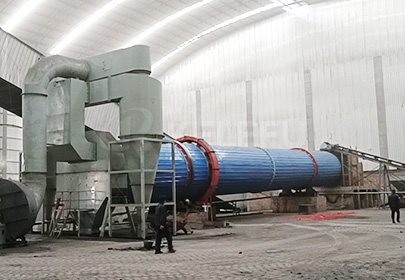
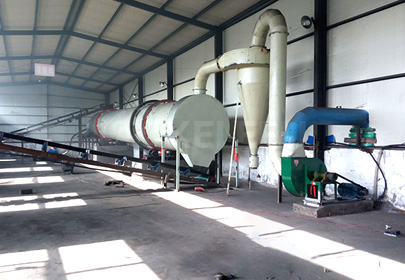
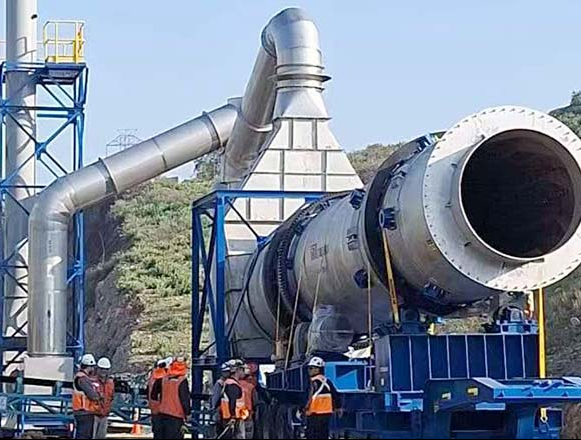
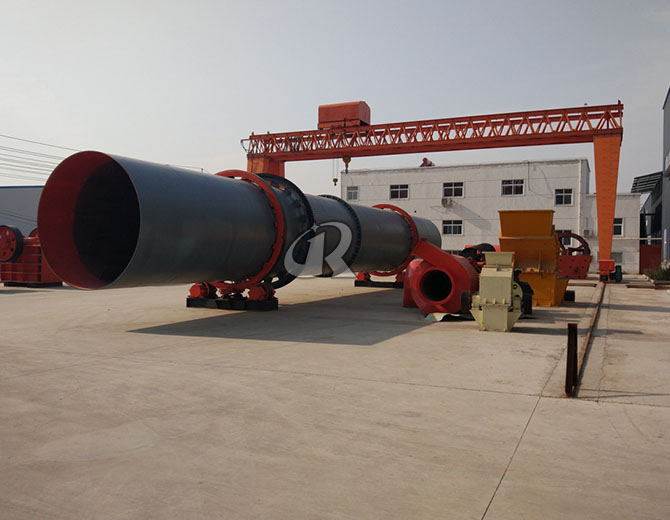
This rotary coconut coir dryer utilizes a co-current drying process, specially optimized for the long-fiber, high-moisture, and easily tangled characteristics of coconut fiber.
Feeding & Anti-Tangling Design: Wet coconut fiber (50%-70% moisture) is fed into the cylinder via a conveyor. A special anti-tangling device and uniform distribution system at the feed end ensure even fiber entry, preventing tangling and blockage.
Gentle Heat Exchange: A hot air furnace generates hot air (temperature precisely adjustable between 120°C-250°C based on fiber characteristics), which fully contacts the fibers inside the cylinder. The cylinder interior features a combined lifting plate system, constantly lifting and loosening the fibers to form a uniform “material curtain,” maximizing heat exchange efficiency while avoiding excessive tumbling that could damage the fibers.
Co-Current Low-Temperature Drying Process: Hot air and material flow in the same direction (co-current), utilizing a gentle low-temperature drying strategy to prevent high-temperature damage to fiber structure, brittleness, or discoloration—maximizing retention of natural strength, flexibility, and color.
Gas-Solid Separation: The dried coconut fiber (moisture reduced to 12%-15%) is discharged via a discharger, while dust-laden exhaust gas enters a high-efficiency pulse baghouse filter to ensure emission compliance and clean production.

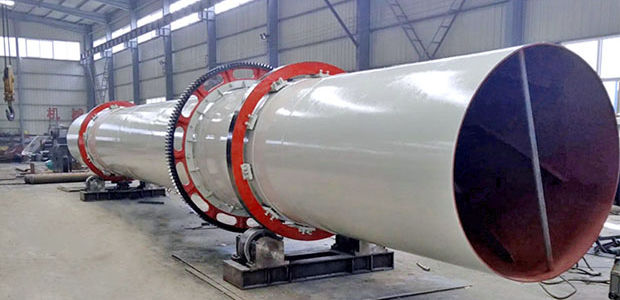
1.Small to Medium-Sized Activated Carbon Producers
2.Coconut Shell Charcoal Manufacturers
3.Biomass Briquette/Pellet Plants (using coconut shell)
4.Agro-Processing Facilities with Coconut Waste Streams
5.Businesses Seeking to Upgrade from Inefficient Batch Dryers or Sun Drying
| Model (Dia×Length) | Capacity (T/H) | Initial Moisture (%) | Final Moisture (%) | Total Power (kW) |
|---|---|---|---|---|
| Ф1.2×10m | 0.8 – 2.5 | 50 – 70 | 12 – 15 | 22 |
| Ф1.5×12m | 1.5 – 4.0 | 50 – 70 | 12 – 15 | 37 |
| Ф1.8×14m | 2.5 – 6.0 | 50 – 70 | 12 – 15 | 55 |
| Ф2.0×16m | 4.0 – 9.0 | 50 – 70 | 12 – 15 | 75 |
| Ф2.2×18m | 6.0 – 12.0 | 50 – 70 | 12 – 15 | 90 |
| Ф2.4×20m | 8.0 – 16.0 | 50 – 70 | 12 – 15 | 110 |
| Ф2.6×22m | 10.0 – 20.0 | 50 – 70 | 12 – 15 | 132 |
Note: Data based on typical coconut coir material. Final specifications subject to material testing results. Custom sizes available upon request.
We're here to help with all your inquiries. Send us a message and we'll get back to you promptly.
Fill out the form below and we'll contact you soon